up:: RDL MOC
lecture11-mechanical-design-0.pdf
What is Mechanical Design?
The design process of mechanical components and systems
(natural and artificial)
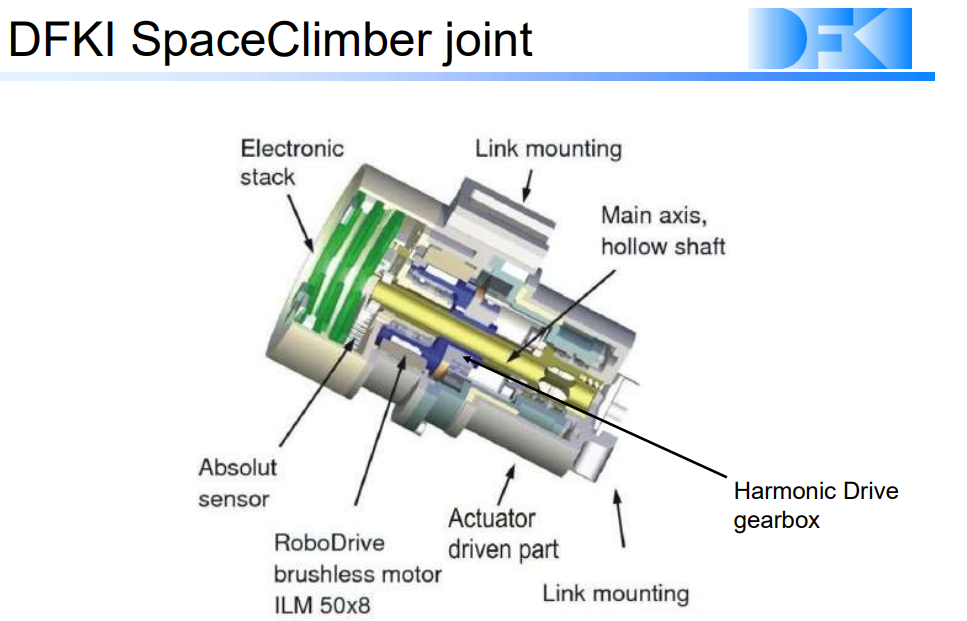
also see: Robots at the DFKI
Three steps involved in mechanical design
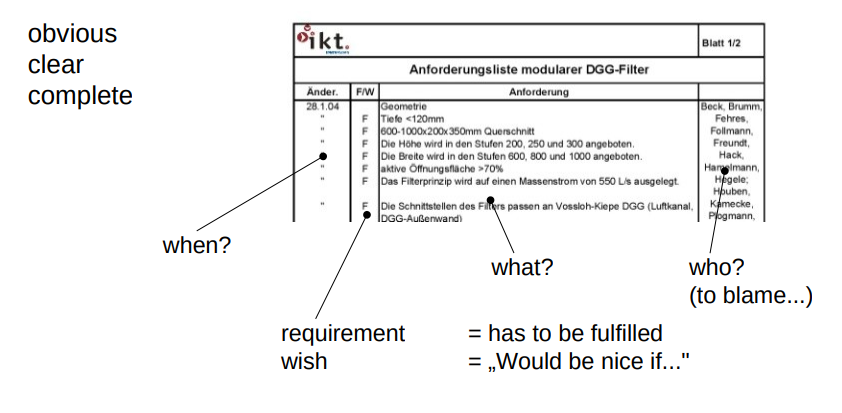
Specifications
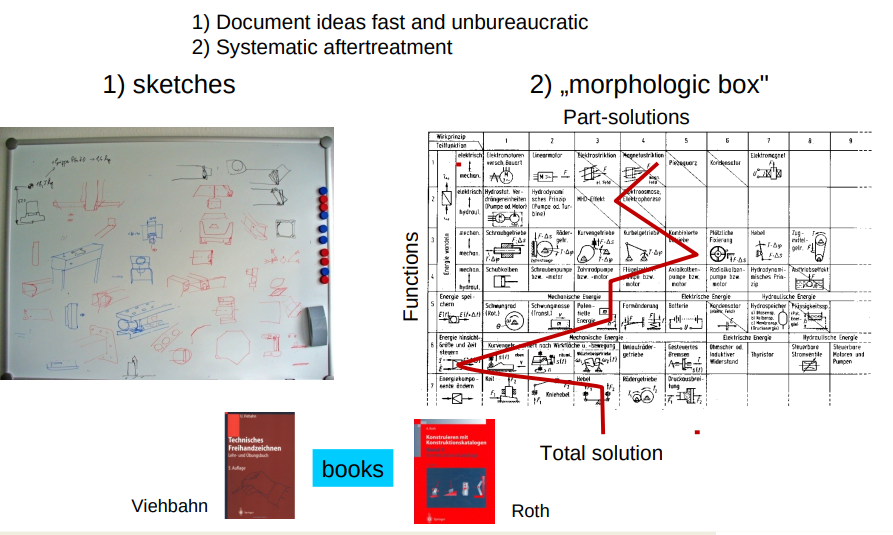
Principles
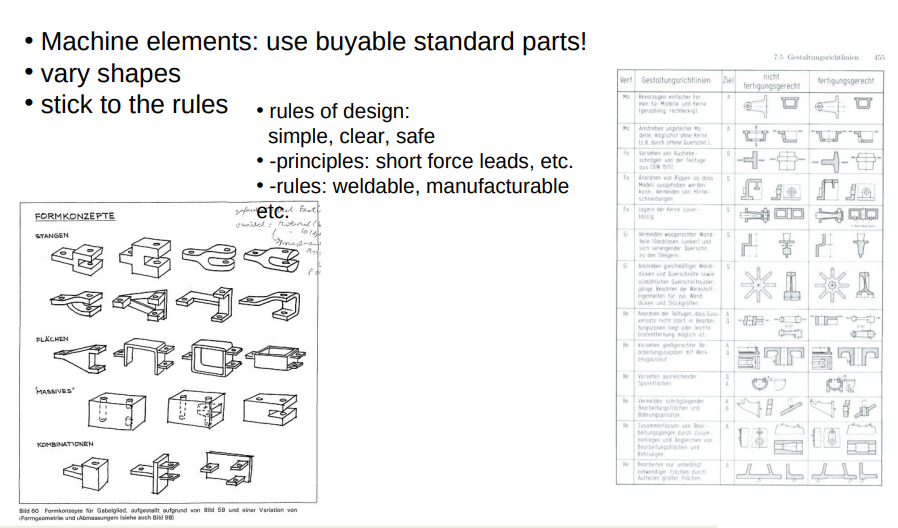
Design
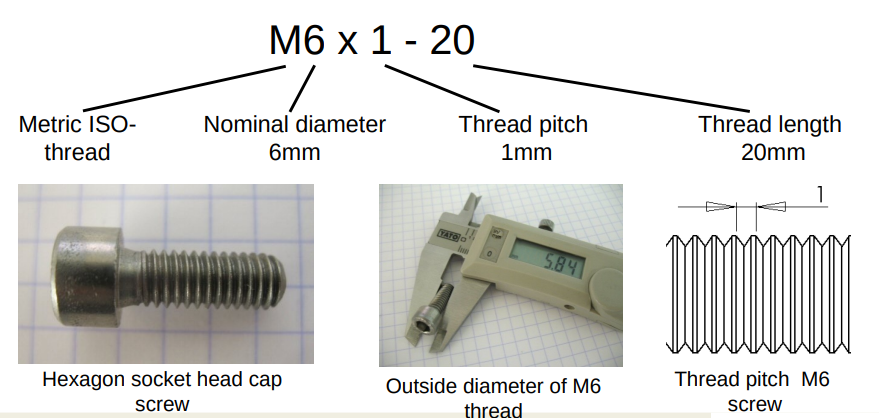
Machine Elements
Screws
Bearings:
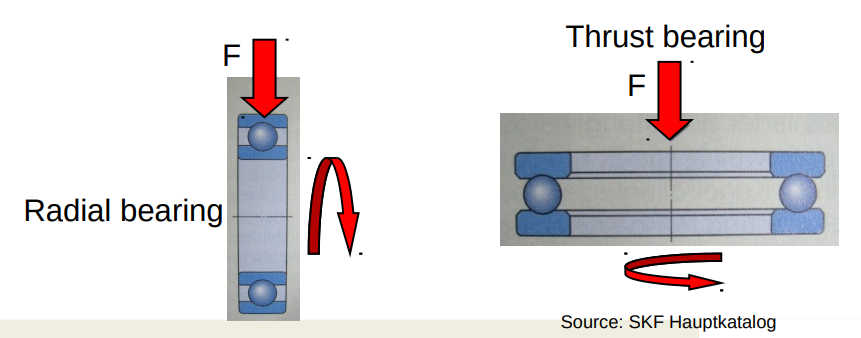
- Balsl for high revelotions
- Zylinder or Neelde for high Forces
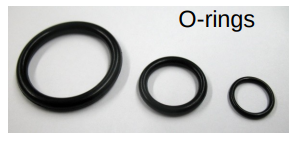
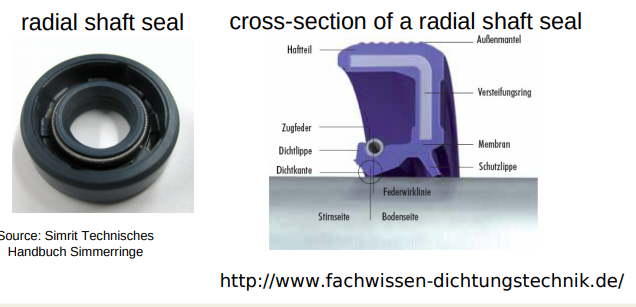
Sealings (O-Rings)
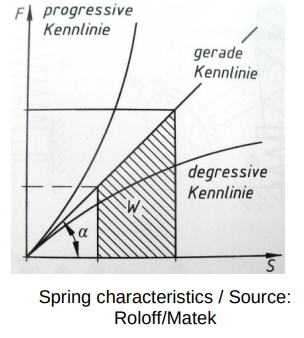
Springs
Hooks Law
Spring force [N] = spring rate [N/mm] x spring travel [mm]Link to original
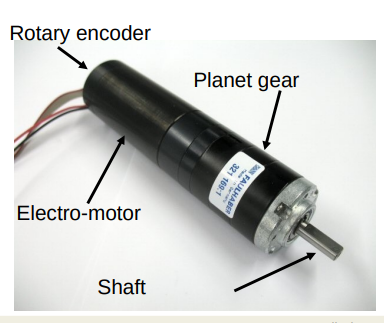
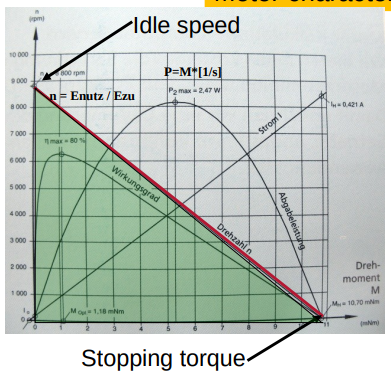
Motors
Motor
Example
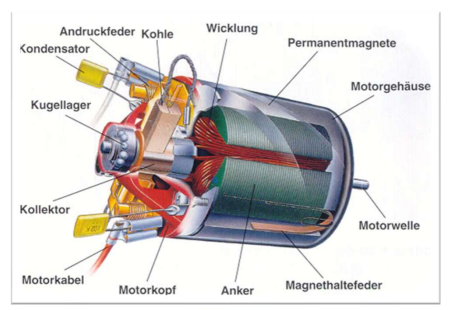
Direct current motors (DC-motors)
- Up to 98% efficiency
- Power cord or battery
Brush motor:
- cheap
- Mature technology
- Sparking / high-frequency interferences
- Life limit – carbon brushes
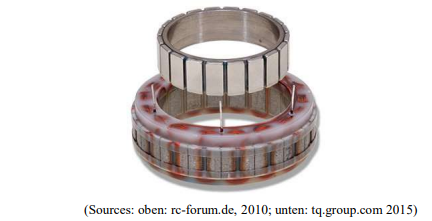
Brushless motor:
- More efficient / less heat
- Less wear
- More power per weight
- Requires a controller
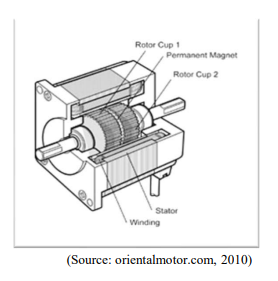
Stepper Motors
Revolutions will be made in an amount of steps (degree), not as a constant movement, exact positions can be achieved
Bipolar: 2 coils 4 connections (more power per motor-volume)
Unipolar: at least 5 connections, simpler control
Reluctance motor
- toothed soft iron structured rotor
- No permanent magnets
- Free magnetic flow, no magnetic field after switched off
Permanentmagnet motor
- Permanentmagnet on the shaft / Stator made of soft iron
- Moment of rest
- Lower resolution in comparison to ther reluktance motor
Hybridmotor
- Permanentmagnet and toothed soft iron core on the shaft
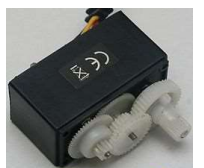
Servos
Analog servos
- Low power consumption
- Low price
Digital servos
- Faster positioning time
- Higher resolution
- Partly programmable
PWM-control
- Common for hobby servos
- Servo elektronics regulate the actor (potentiometer) against the motor position
- The pulse width of the control signal regulates the target position
- Various variations on pulse widths and travel ranges
Link to original
Desing
qualitative design
(norms, shapes etc.)
=> Knowlage about desing
quantitative design
(material, strength, stiffness, other desired parameters.)
=> Desinging something in a way it can’t fail
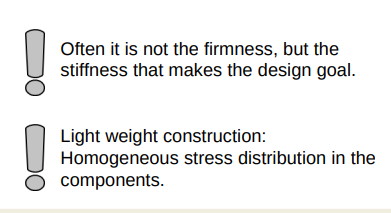
- if you have to calculate, the construction is not good.” -> Observe proportions.
- Roughing calculations – survey orders of magnitude
Loads
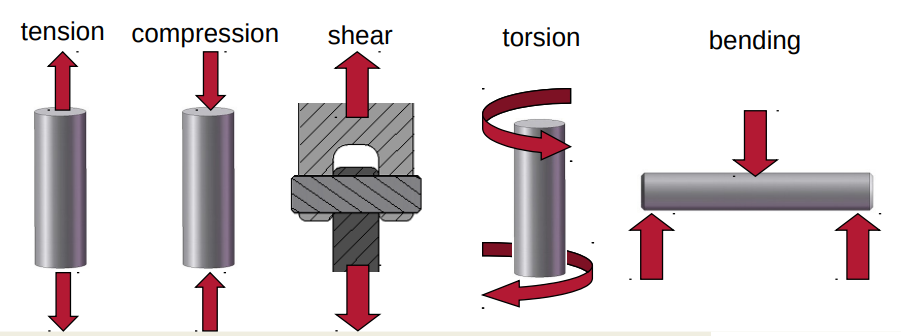
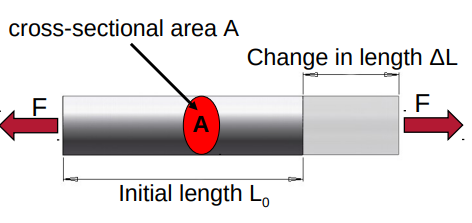
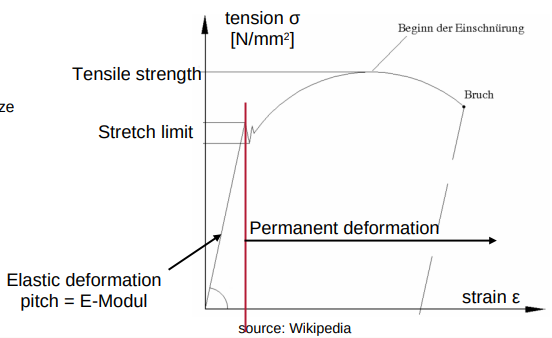
Elastic range
components behave like a „spring“
tension [N/mm2 ] = force [N] / cross-sectional area [mm2 ]
Plastic range
components deform permanently
elongation = change in length [mm] / initial length [mm]
E-modulus
The relationship between tension and elongation is called the elasticity modulus
Modulus of elasticity [N/mm2 ] = tension [N/mm2 ] / elongation
Additive and subtractive manufacturing processes
Additive
- 3D printer
- Laser sintering (SLS)
- Welding
Subtractive
- Sheet cutting
- Laser cutting
- Plasma cutting
- Water-jet cutting
- Milling
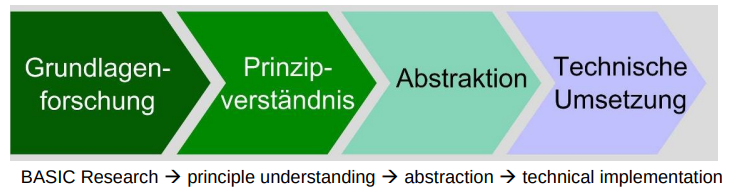
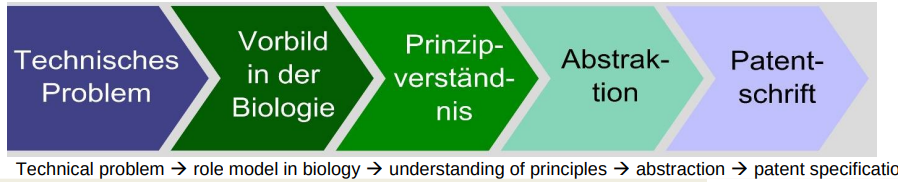
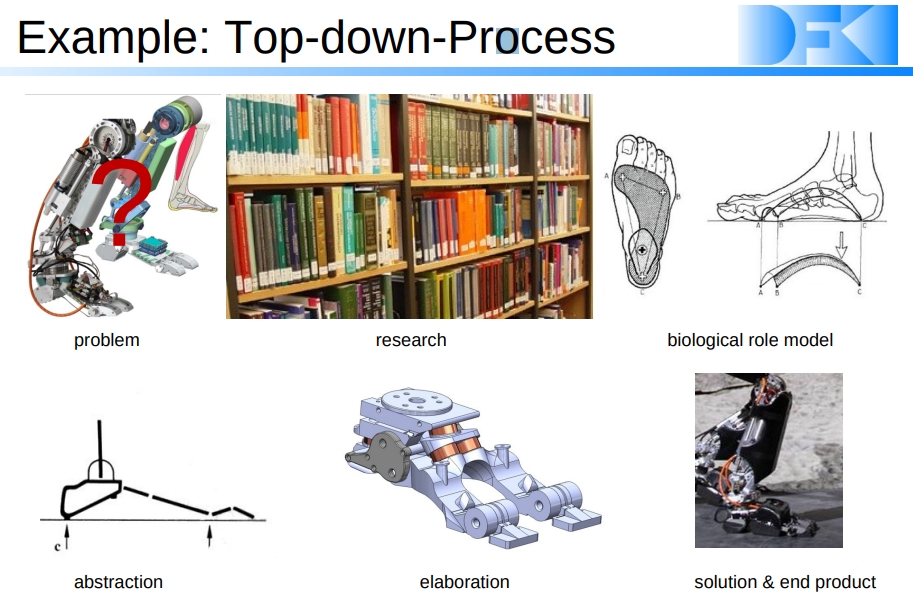
Biomimetics
Bottom-up-Prozess
Top-down-Prozess
Link to original

Good Books
- Warum alles Kaputt geht
- Tabellenbuch Metall
next: RDL VL 12 Actuators